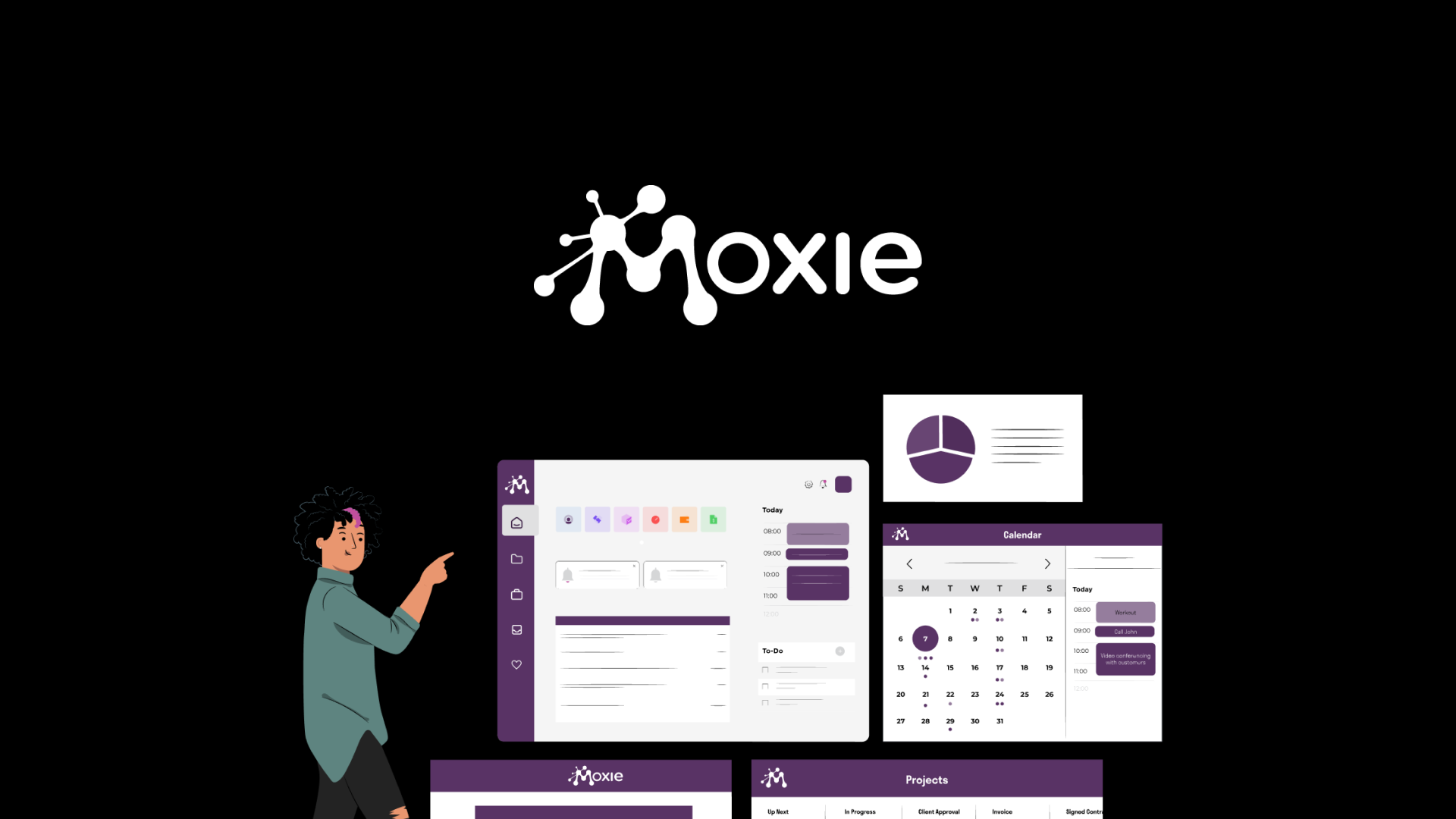
MoxieOperations Analysis
“Don't build another generic agency CRM; build the client OS for a specific high-trade profession that Moxie's 'one-size-fits-all' approach misses.”
Worth Studying
Demand appears real and the incumbent looks vulnerable enough to justify deeper validation.
Worth Studying
Demand appears real and the incumbent looks vulnerable enough to justify deeper validation.
Medium-High
Based on revenue, reviews, strategy fit, and visible downside signals in the current dataset.
AppSumo-first signal
This tells you how much of the current read is supported by strong in-platform evidence versus thin or ambiguous signal.
Confirm that premium pricing reflects real willingness to pay, not edge-case packaging.
Operators who know a niche customer segment and can sell a more specialized premium solution.
Generalist founders with no clear customer segment or no path to higher-value buyers.
The broad-market space is competitive. Differentiation through vertical focus is required. Also, the original product's LTD could pressure its long-term development, opening a gap.
Revenue and review volume suggest this market is real.
There are early signs of friction, but not enough to call it a strong wedge.
There is some willingness to pay, but pricing power is not yet obvious.
There may be a wedge here, but the competitive gap is still ambiguous.
Still needs off-platform confirmation from search demand, communities, or customer interviews.
“To escape 'tool sprawl'—replacing a chaotic mix of Google Sheets, Excel, and standalone apps with one unified command center.”
The broad-market space is competitive. Differentiation through vertical focus is required. Also, the original product's LTD could pressure its long-term development, opening a gap.
The 4-Dimension Scorecard
Revenue of ~$48k validates demand but indicates a crowded, mid-market space, not a runaway winner.
A 4.8 rating with 82 reviews creates a strong moat; users are loyal and satisfied, making direct competition difficult.
Standard SaaS features (PM, CRM) have predictable costs. No 'unlimited' LTD red flags found.
Competitors (Dubsado, Honeybook) are established in the creative/freelancer space but aren't tech giants.
The Opportunity Radar
Deep Review Mining & Gap Analysis
Pain & Gaps
"Users switching from 17Hats/SuiteDash miss deep financial sync; they want to close the loop between proposals and profits."
"Implied by mentions of 'project management' and freelancer use-case; a core agency basic."
Niche Discovery
"Explicit review mentions ADHD and the need for structure to manage indecision and chaos."
"Multiple reviews reference 'agency' needs, white-labeling, and client collaboration."
Marketing Angle
The Agency OS for the Unorganized, ADHD Entrepreneur. Finally, a CRM that manages your chaos, not just your clients.
Use this angle to position your product against the generic competitors. Focus on the specific pain points identified in the "Pain & Gaps" module.
Counter-Signals
Reasons this opportunity may look better in the dataset than it will feel in the real market.
- Perceived missing 'basics' (likely invoicing, accounting sync, or deeper integrations) and reports of unresponsive support.
Sniper Verdict
“Listen to the hate. Build the cure. Steal the revenue.”
Execution Plan
“Moxie wins the 'broad but shallow' agency market. The goldmine is a vertical-specific clone. Build the same all-in-one client management logic but for a tightly defined profession (e.g., therapists, architects, wedding planners) where compliance, forms, and workflows are unique.”
Build First
- Vertical-specific contract/proposal templates (Legal compliance is a wedge)
- Native integration with that niche's primary tool (e.g., QuickBooks for accountants, Houzz for interior designers)
Do Not Start With
- White-labeling (Initial cost distraction; add after PMF)
- Overly complex workflow automation (Keep it simple; clone Moxie's intuitive UI)